Formula 1 Azerbaijan Grand Prix, Baku
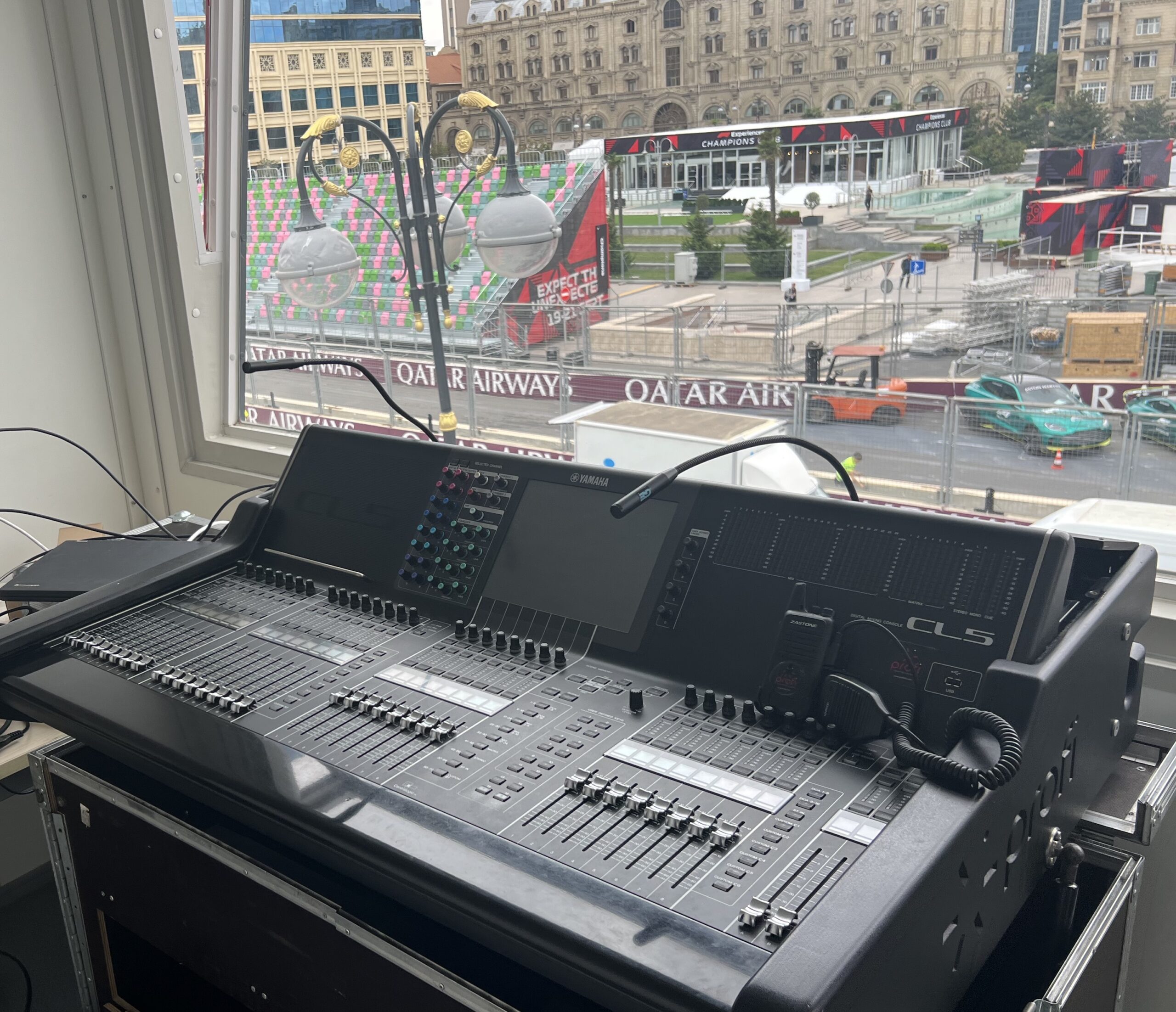
Front-of-House Sound Engineering
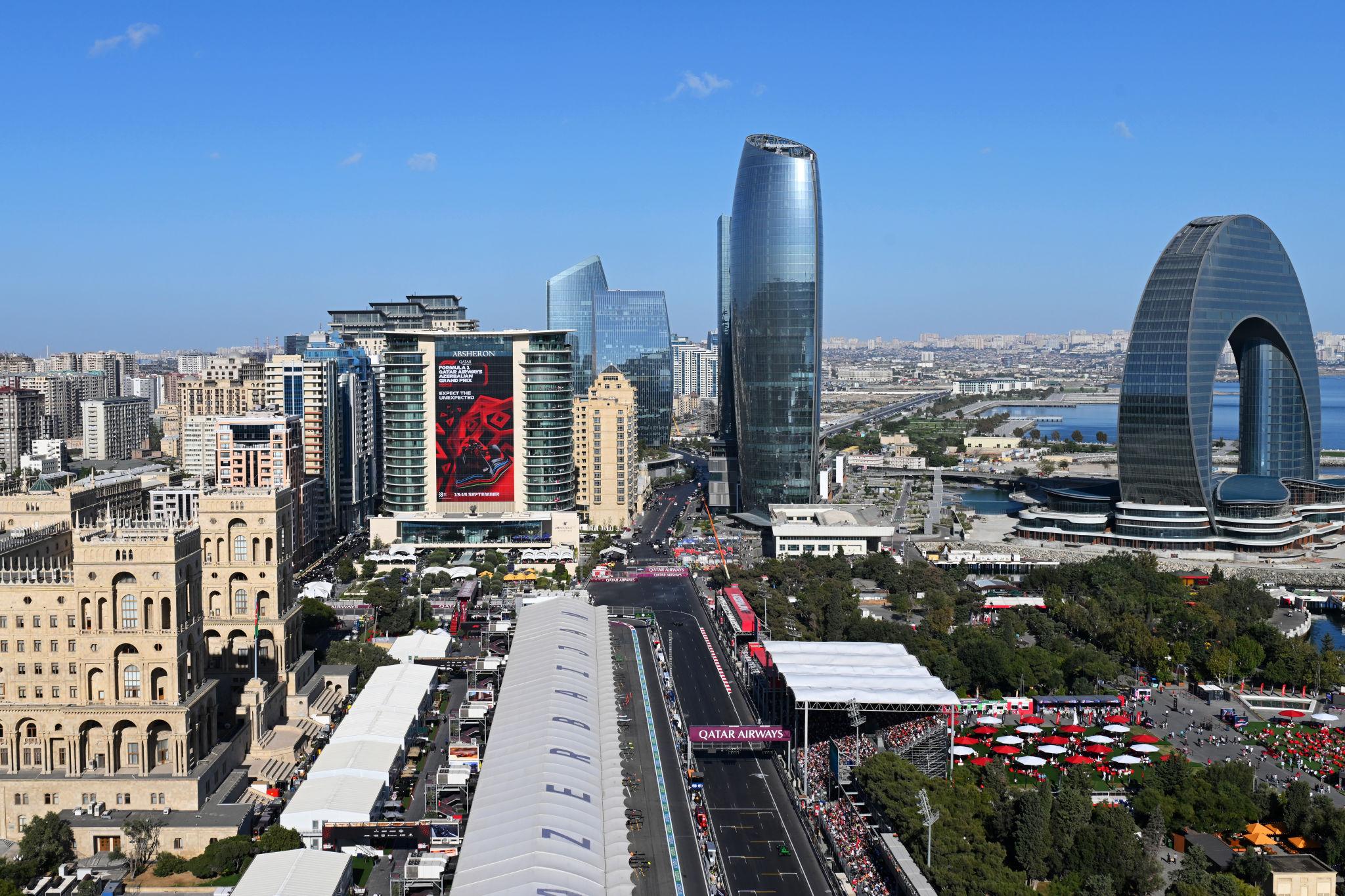
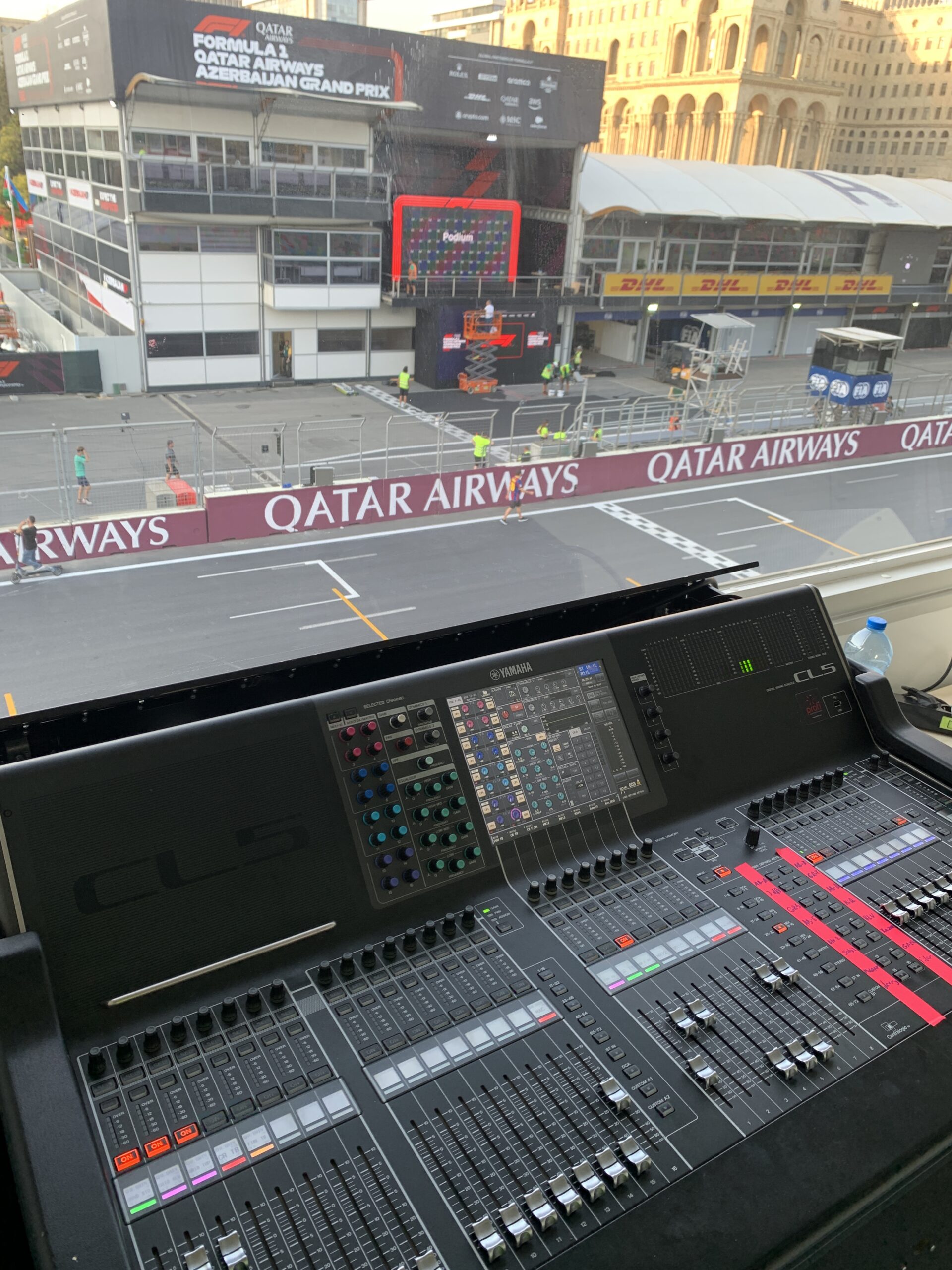
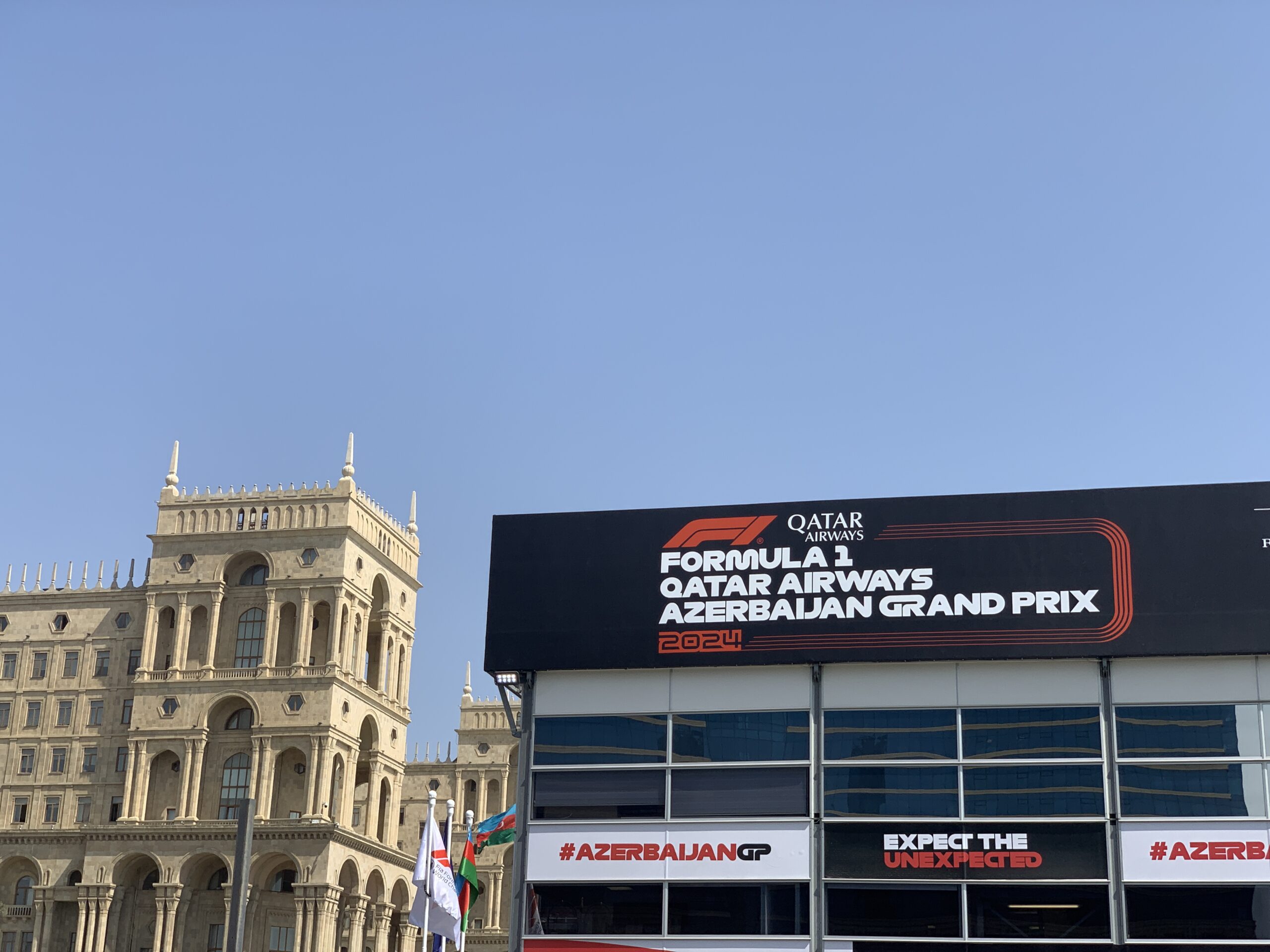
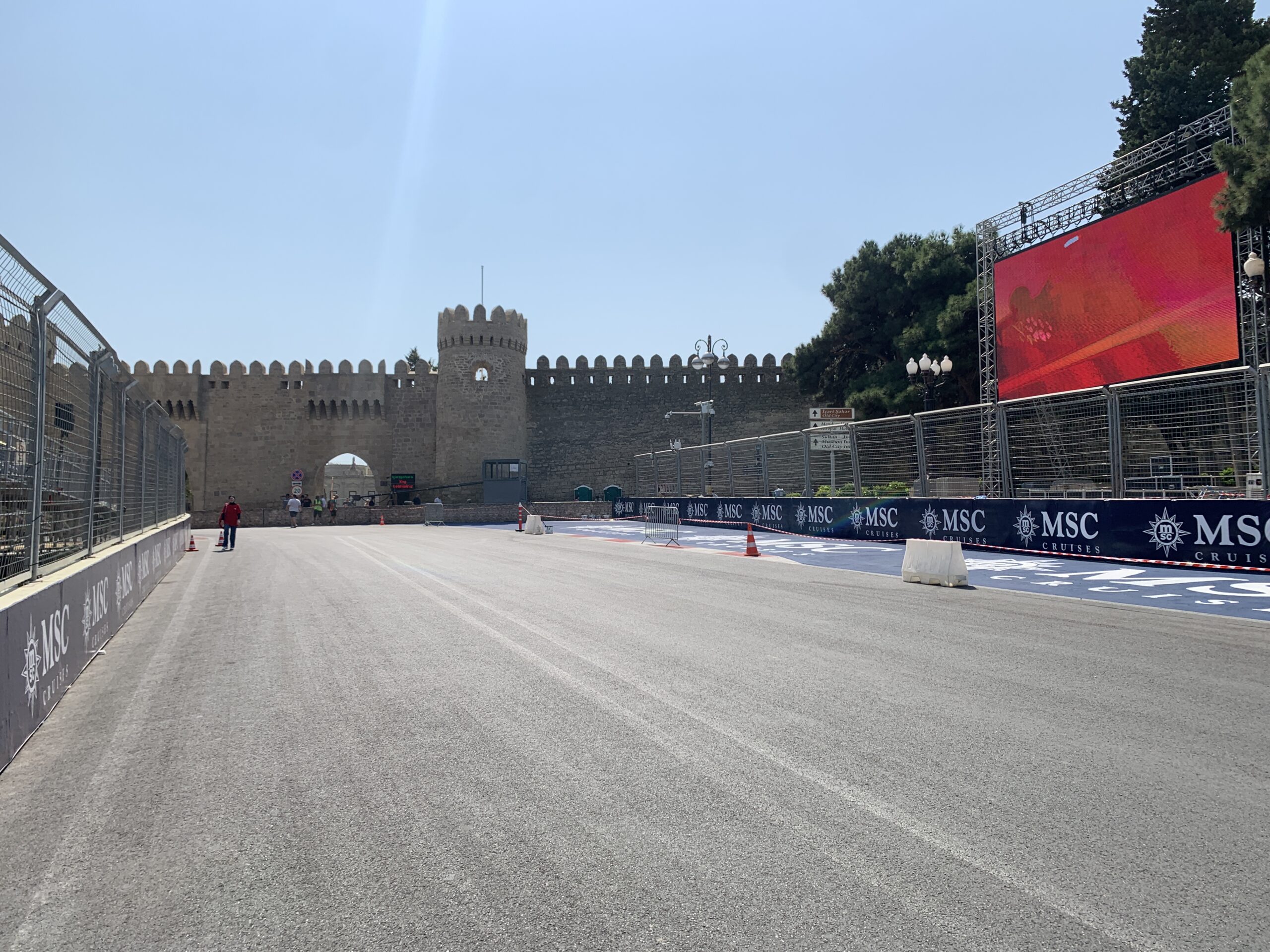
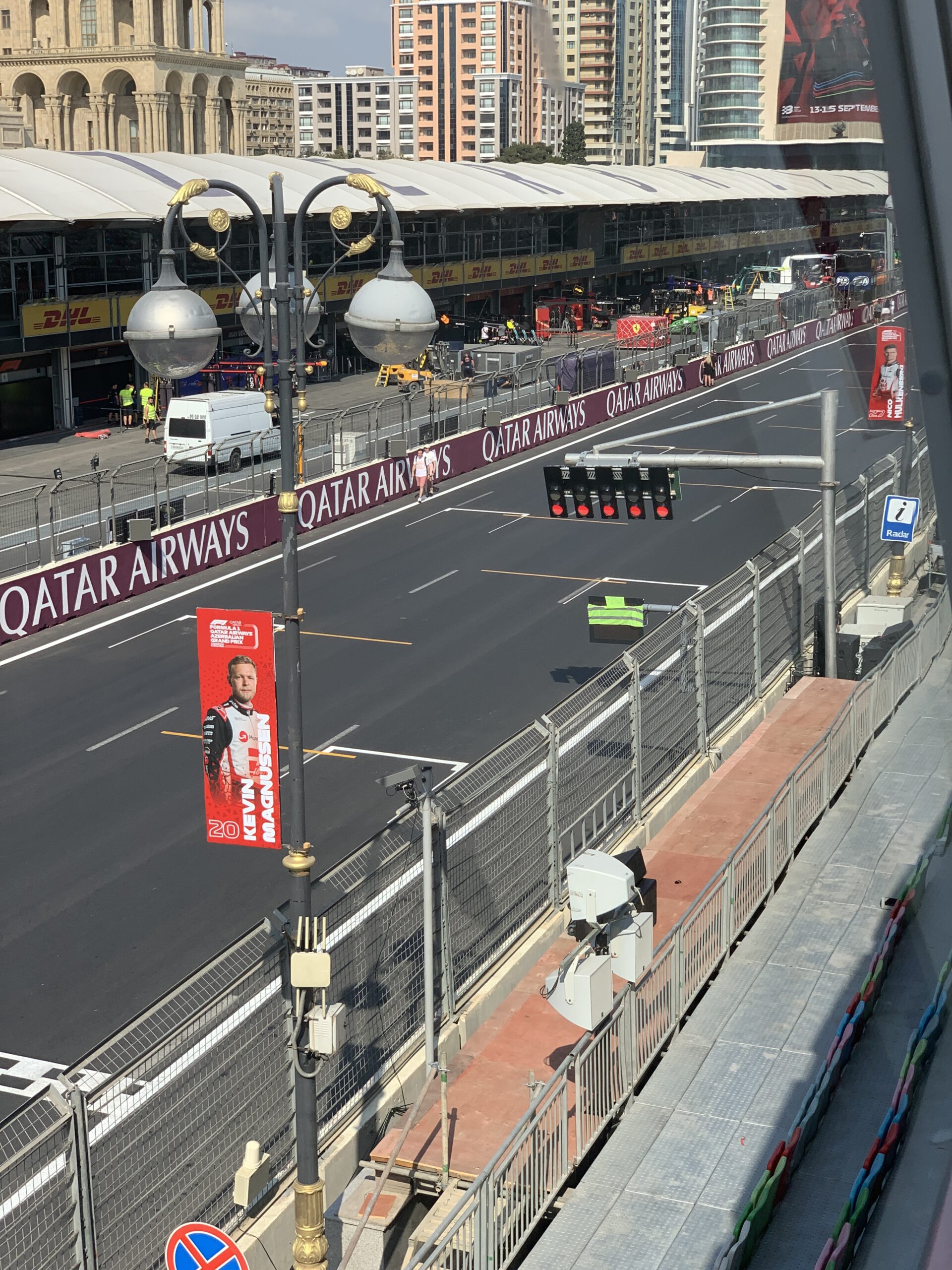
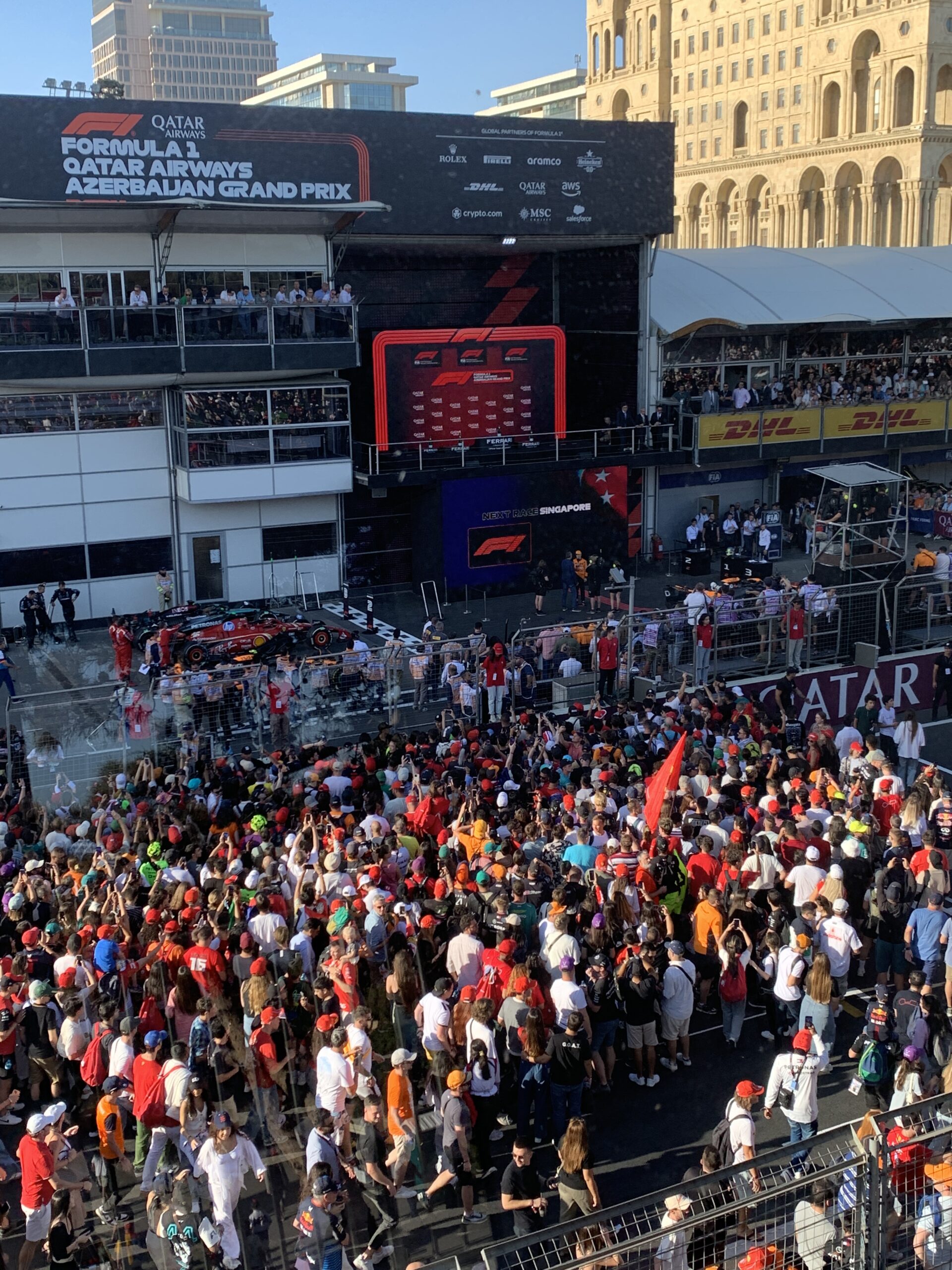
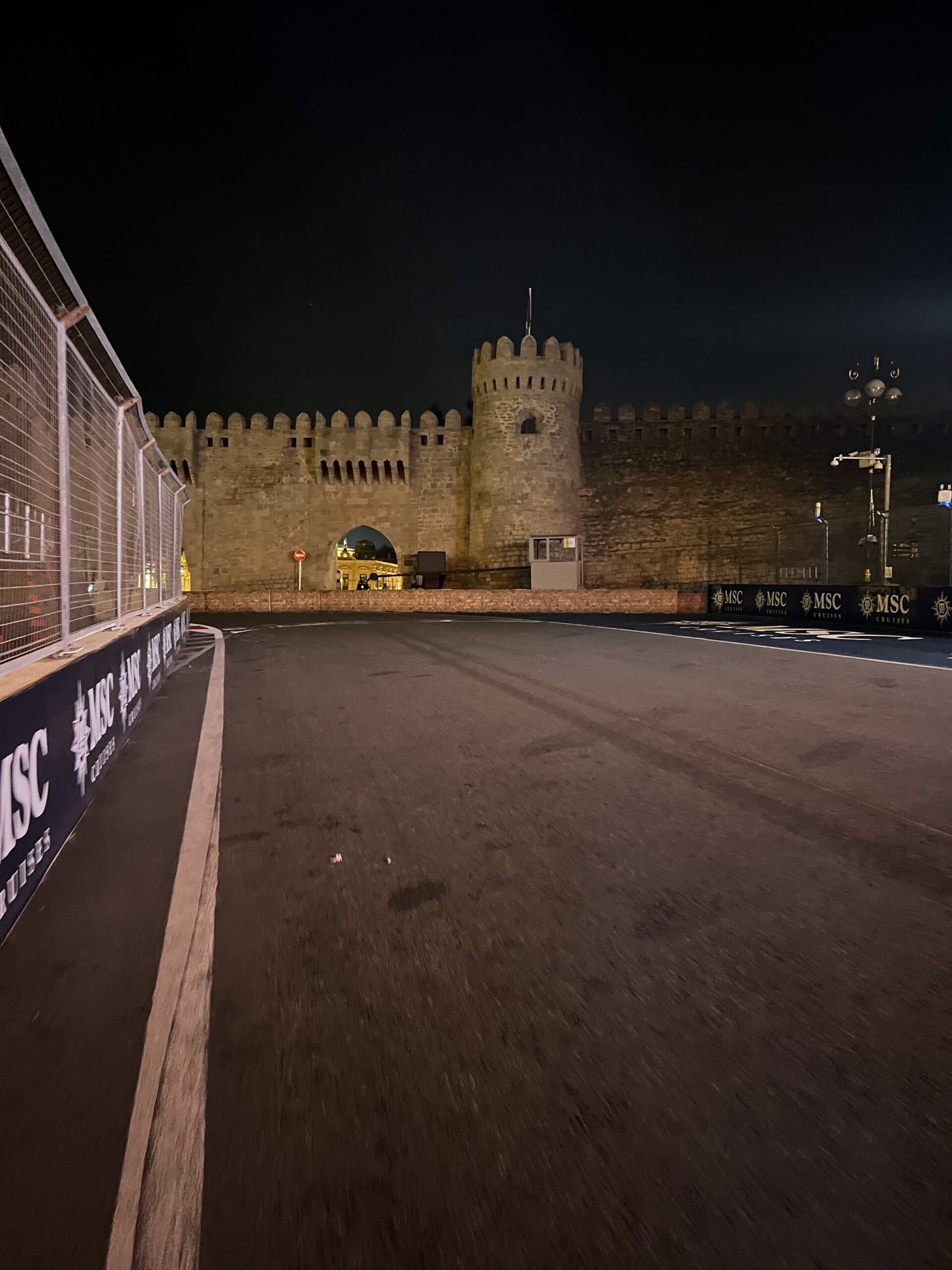
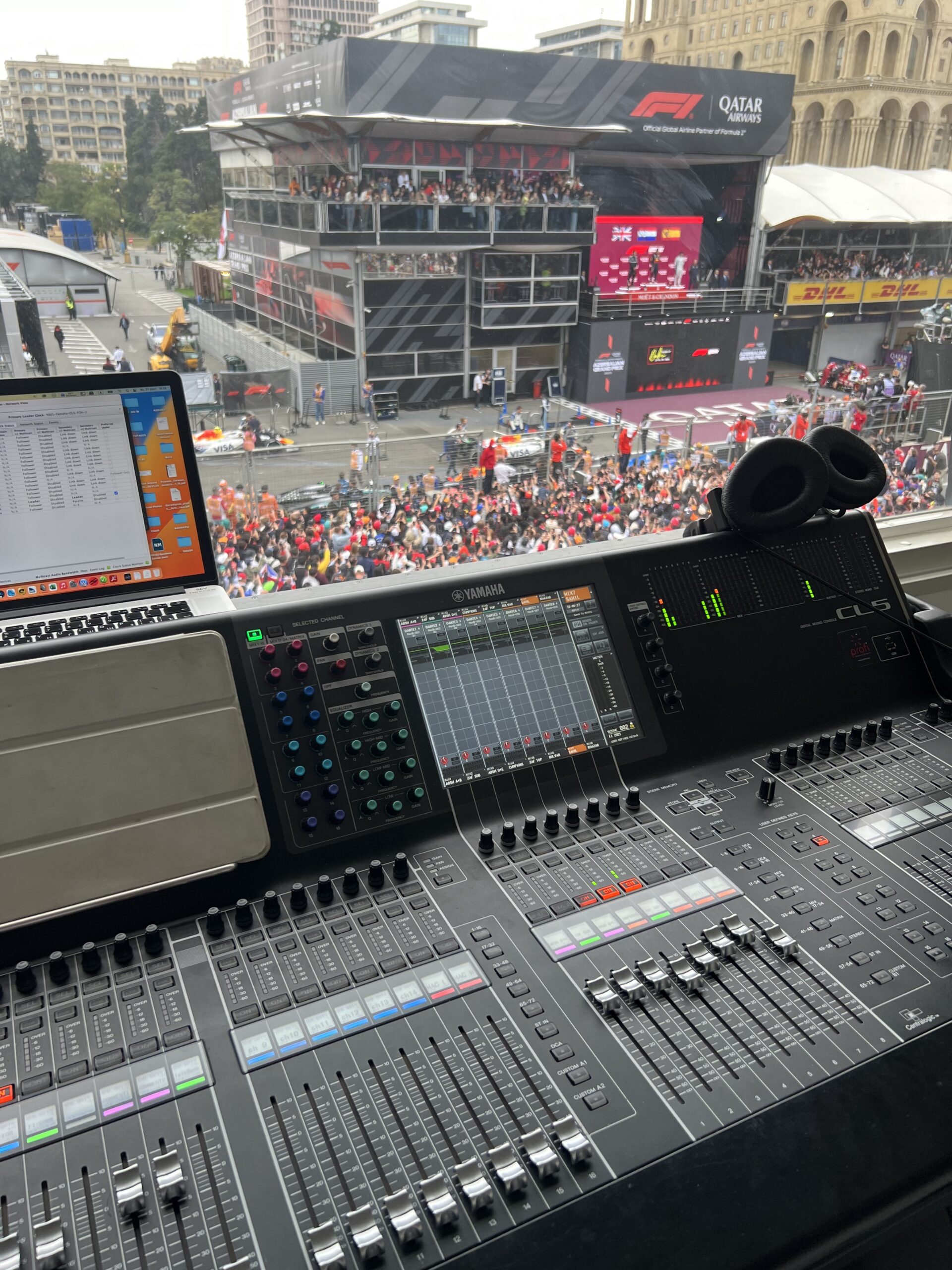
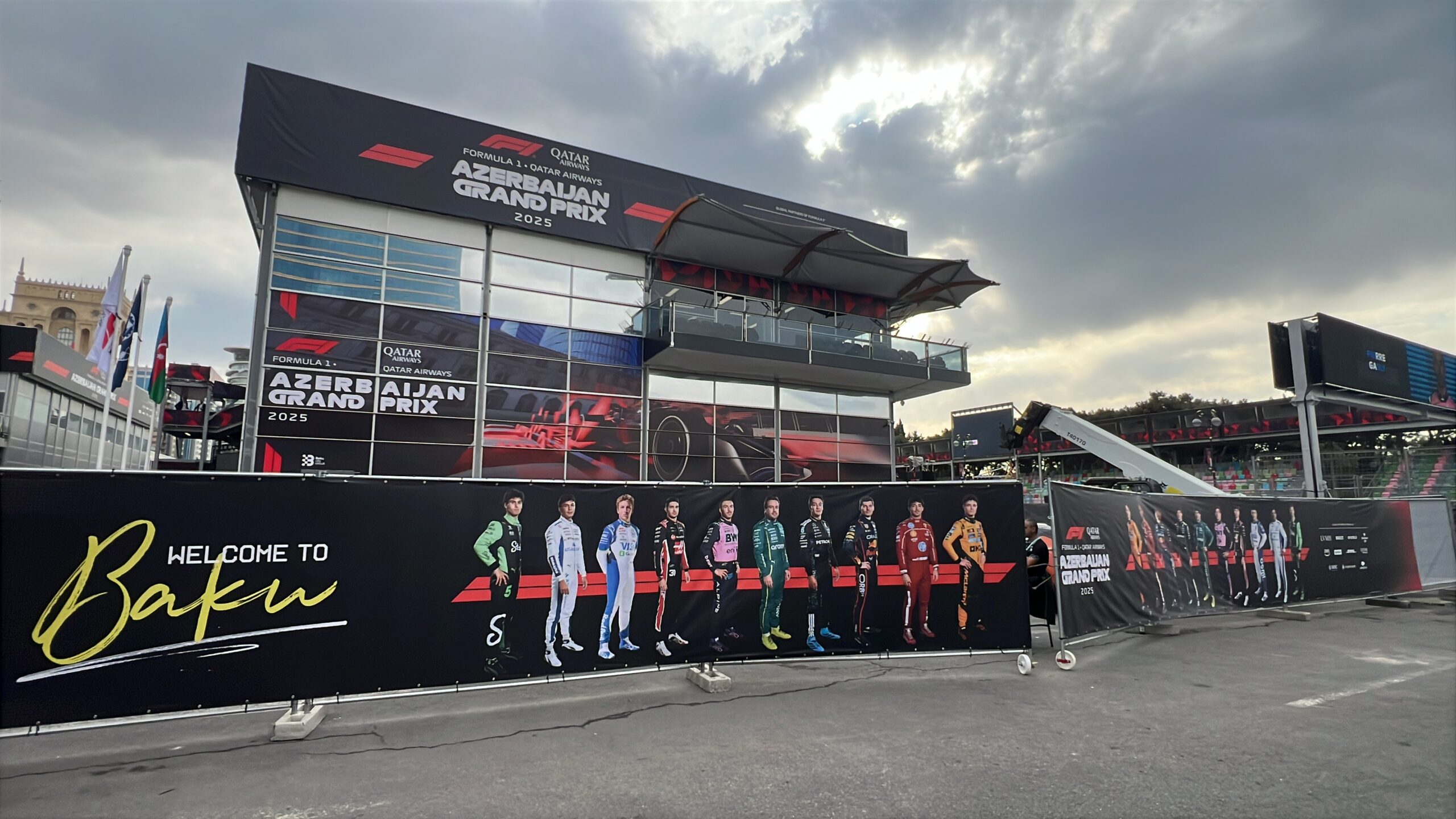
Since 2023, I have been working as Front-of-House (FOH) Sound Engineer for the spectator areas at the Formula 1 Azerbaijan Grand Prix, held on the Baku City Circuit in Baku.
This project operates at the intersection of live sound engineering, broadcast precision, and real-time global sports production. It is an environment where audio is not only a component of audience experience, but a mission-critical system that must perform flawlessly under extreme conditions.
A Global Event Where Timing Is Absolute
Formula 1 is one of the most technically demanding environments in the world. Unlike concerts or theatrical productions, the race unfolds in real time, at high speed, with no possibility of repetition or delay.
Every moment matters. Not minutes, not seconds—but fractions of a second.
For the spectator audio system, this means:
- no signal loss is acceptable,
- no delay or interruption is tolerable,
- and every piece of information must reach the audience instantly and clearly.
Race commentary, safety announcements, live updates, and timing information must be delivered across the entire circuit with absolute reliability and precision.
Large-Scale Distributed FOH System
The Baku City Circuit is a complex urban track, stretching through the city with multiple separated spectator zones.
The FOH system I manage includes:
- 9 grandstands,
- over 30,000 spectators,
- and distances between FOH control and remote locations reaching 3 to 5 kilometers.
This is not a centralized sound system—it is a large-scale distributed audio network.
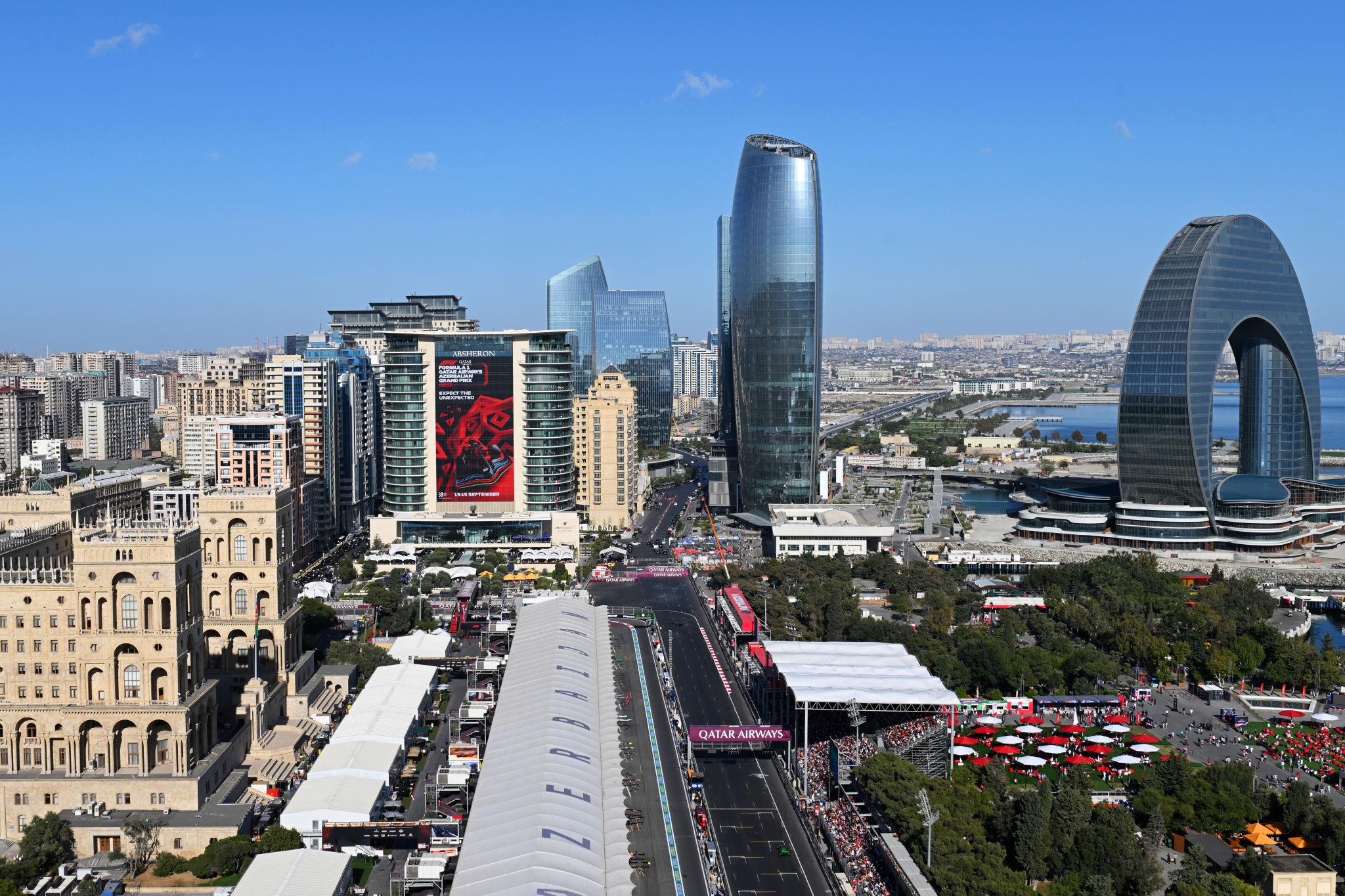
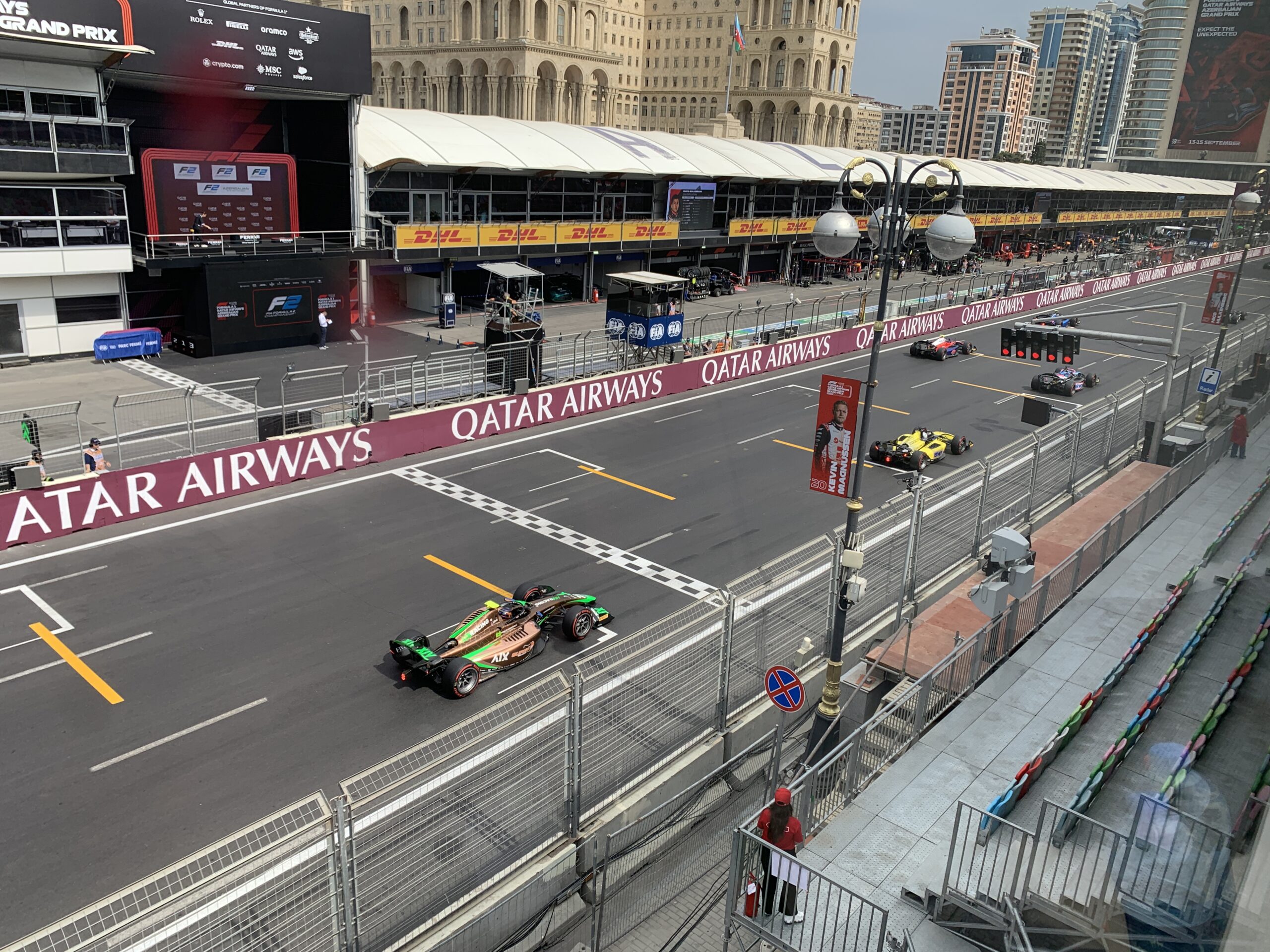

Each tribune functions as an independent listening environment, yet all must remain synchronized, consistent, and fully integrated into a unified system.
Optical Infrastructure and System Reliability
Due to the scale and geographic distribution of the circuit, the entire audio system relies on fiber-optic infrastructure.
Signal transmission over several kilometers introduces critical engineering challenges:
- maintaining signal integrity,
- ensuring ultra-low latency,
- preventing dropouts or interruptions,
- and guaranteeing redundancy at every stage of the signal chain.
In this environment, reliability is not a preference—it is a requirement.
Every element of the system must be designed and operated with a focus on:
- fail-safe architecture,
- redundancy and backup paths,
- continuous monitoring,
- and immediate response capability.
Any failure, even momentary, can impact tens of thousands of spectators simultaneously.
FOH Control in a Distributed Race Environment
My role as FOH engineer is not limited to mixing audio in a traditional sense.
It includes:
- managing the overall sonic consistency across all spectator zones,
- ensuring intelligibility of race commentary under high ambient noise conditions,
- controlling dynamic range in an environment dominated by extreme engine sound levels,
- and maintaining clarity across large outdoor spaces with varying acoustic characteristics.
Formula 1 presents a unique acoustic challenge:
the sound of the race itself is powerful, unpredictable, and constantly changing. The FOH system must coexist with this environment—never competing, but always remaining clear and intelligible.
Sound Under Extreme Conditions
Unlike controlled performance venues, the race environment introduces variables that cannot be fully predicted:
- changing weather conditions,
- varying crowd density,
- fluctuating ambient noise,
- and the dynamic movement of race cars around the circuit.
The FOH system must adapt in real time.
This requires:
- constant attention,
- rapid decision-making,
- and the ability to maintain control over a system that spans kilometers in physical space.
Zero-Failure Philosophy
In Formula 1, there is no tolerance for error.
The philosophy of this work is simple and uncompromising:
no signal loss, no interruption, no delay.
Every announcement, every instruction, every piece of race information must be delivered without compromise.
This level of responsibility defines the role. It is not only about sound quality—it is about system integrity, operational discipline, and trust.
A Different Dimension of Sound Engineering
Working on the Formula 1 Azerbaijan Grand Prix represents a distinct category of professional experience.
It combines:
- large-scale distributed audio systems,
- broadcast-level precision,
- high-pressure real-time operation,
- and responsibility for a massive live audience.
This is not a concert environment. It is a live global sporting system, where audio is part of the operational infrastructure of the event itself.
Professional Perspective
This work reinforces a fundamental principle:
at the highest level, sound is not only about what people hear—it is about how systems perform under pressure.
In environments like Formula 1, sound engineering becomes a discipline of precision, resilience, and absolute reliability.
Delivering consistent, intelligible, and uninterrupted audio across kilometers of infrastructure, for tens of thousands of spectators, in real time—this defines the standard.
Conclusion
Since 2023, my role at the Formula 1 Azerbaijan Grand Prix in Baku has been focused on ensuring that the spectator audio experience matches the level of the event itself.
A global championship.
A high-speed environment.
A distributed system across an entire city circuit.
And a single requirement above all:
everything must work—perfectly, instantly, and without exception.